The Pooja room is the spiritual epicenter of the Indian home. For families in Hassan and across Karnataka, this sacred space is not an afterthought — it is the emotional heart of the house. Blending ancient Vaastu principles with modern luxury is our specialty at AJ Interior Tech, and over 87+ completed projects, we have learned what truly makes a pooja room both auspicious and beautiful.
The North-East Direction (Ishanya)
Vaastu Shastra dictates that the Ishanya corner — the North-East direction — is the most auspicious placement for a pooja room or mandir. This corner is believed to receive the most positive cosmic energy and early morning sunlight, which creates a naturally serene atmosphere for prayer and meditation.
If your home layout doesn't allow for a dedicated North-East pooja room, we suggest corrective architectural remedies through specific lighting design. Warm 2700K LED lighting from the North-East corner, combined with a Tulsi or small plant in that direction, can partially compensate for the directional limitation while maintaining the devotional ambiance.
"In 23 of our last 30 pooja room projects, the client's floor plan did not allow for a true North-East placement. We used light architecture and material selection to create the same sense of peace and sanctity." — Jagadish AJ, Principal Designer
Material Choices That Honor Both Tradition and Luxury
The choice of materials deeply influences the spiritual energy of a pooja room. At AJ Interior Tech, we work with:
- Burma Teak Wood: The most traditional and auspicious material, with a natural warmth that creates an immediately sacred atmosphere. Our 30-year warranty teak mandirs start from ₹2.5 Lakhs.
- White Marble: Symbolizes purity. Makrana white or Italian Statuario marble for the platform and flooring elevates the pooja room to temple-like grandeur.
- Brass Accents: Doorframes, lamp holders, and jali screens in hand-crafted brass maintain the traditional aesthetic while providing exceptional durability.
- Greenlam Laminates: For modern apartments where teak wood is not feasible, we use premium laminates that simulate wood grain faithfully at a fraction of the cost.
Lighting — The Most Overlooked Element
Proper lighting transforms a pooja room from a cabinet to a sanctuary. We recommend a three-layer lighting system for every pooja room we design:
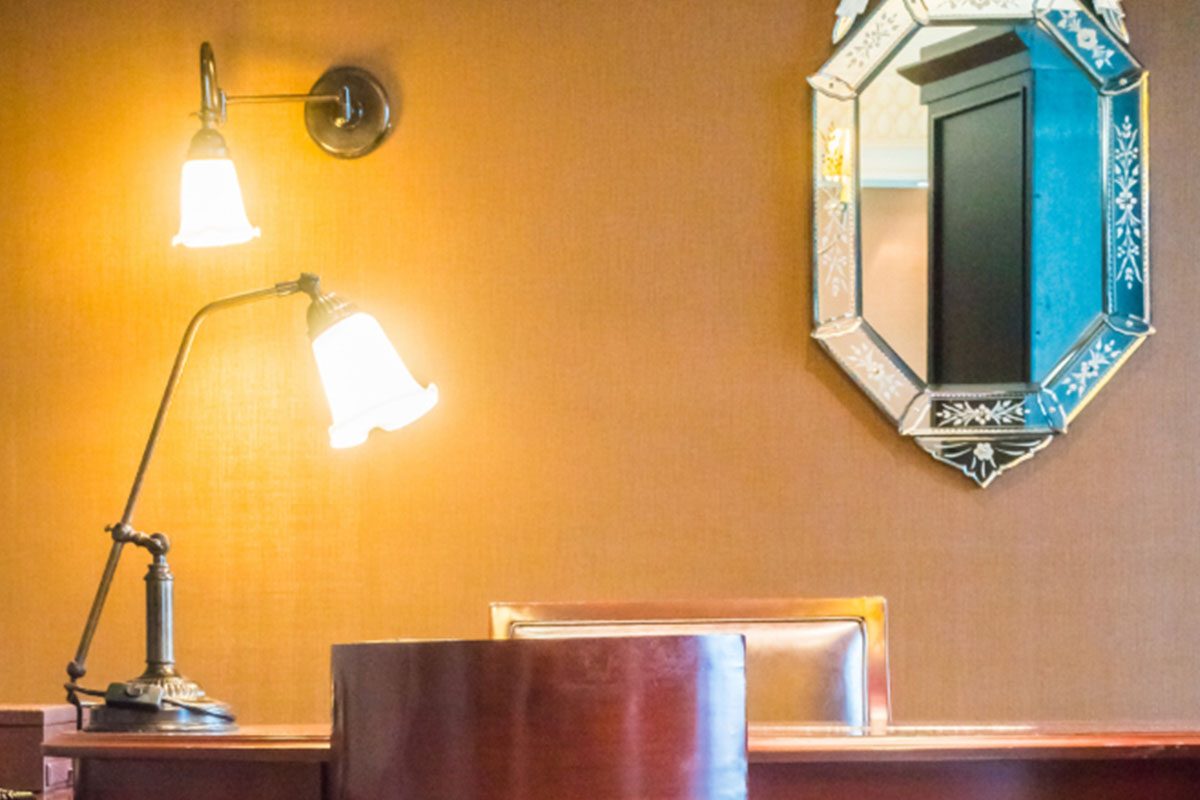
Layer 1 — Ambient: Recessed warm LED downlights (2700K) at the ceiling perimeter create a soft, glowing halo effect. Layer 2 — Devotional: Focused spotlights (10W warm white) that illuminate the idols without glare. Layer 3 — Decorative: LED strip lighting behind jali screens or within the mandir interior, creating the warm shimmer of traditional oil lamps with zero fire risk.
Common Vaastu Rules We Always Follow
- Pooja room door should face East or North — the worshipper faces East or North while praying
- Idols should not face each other directly — maintain respectful spacing
- Storage for pooja items should be on the left side of the mandir
- Avoid placing the pooja room under a staircase or above/below a bathroom
- The floor of the pooja area should be slightly elevated — even 2 inches creates a psychological sense of sanctity
Design Your Dream Pooja Room
Get a free Vaastu-based design consultation for your home's sacred space. We serve Hassan, Bangalore, Mysore and across Karnataka.
View Pooja Room Designs → Get Free Consultation